Picking the right Power Inductorcan really make a difference when you're trying to boost how well your electronics perform. I read somewhere that, according to MarketsandMarkets, the entire global market for Power Inductors could hit around $4.2 billion by 2025 — pretty crazy, right? It just shows how much everyone’s leaning on these components now. But honestly, with so many options out there, it can get pretty overwhelming trying to make the right choice, especially for engineers or designers who just want things to work smoothly.
Industry pro Dr. James Miller pointed out, "Choosing the right Power Inductor can seriously impact your device’s performance and reliability." That really hits home—knowing what your application needs is key. The right inductor isn’t just about making things run efficiently; it also plays a big role in keeping the whole system stable and managing heat.
A lot of folks tend to overlook some important stuff like current ratings, inductance values, or core materials. But those tiny details actually have a huge effect on how well a device works and how long it lasts. If you pick the wrong one, it could lead to inefficiencies or even more expenses down the line. In the fast-evolving world of electronics, paying close attention to your Power Inductor choice isn’t just a good idea — it’s absolutely essential if you want results that last.
Understanding the Basics of Power Inductors
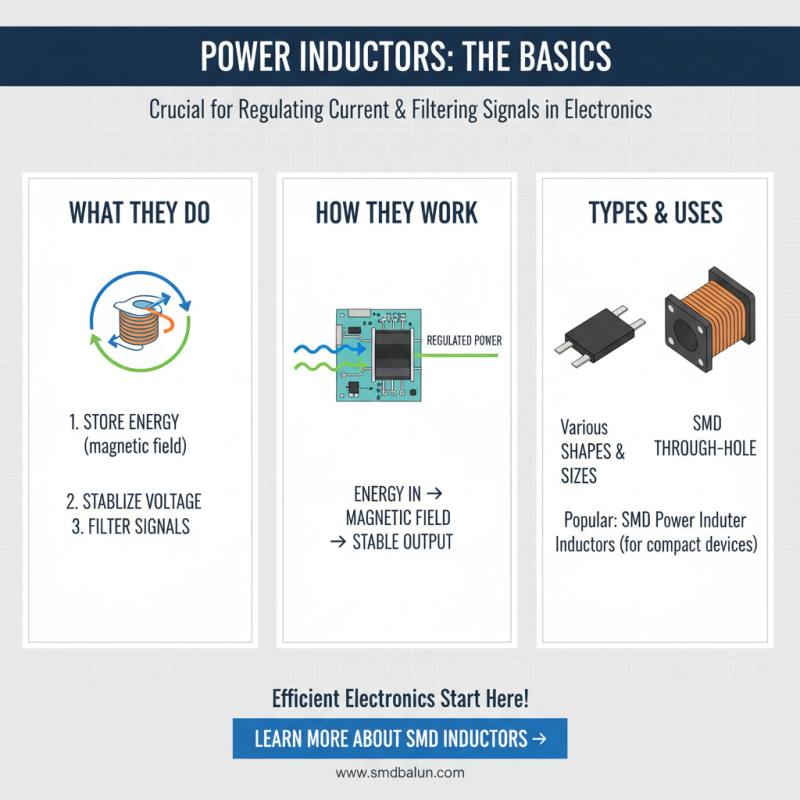
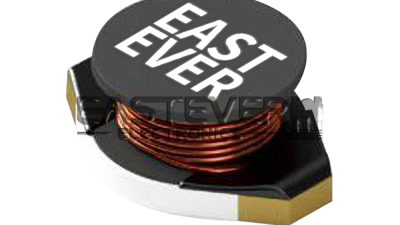
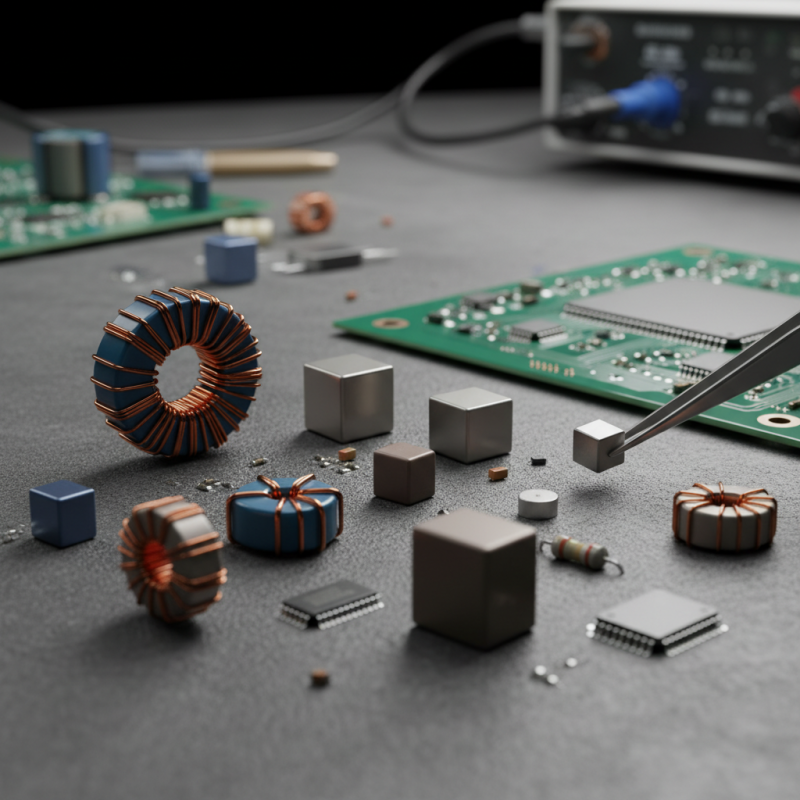
Power Inductors are crucial components in electronic devices, serving to regulate current and filter signals. Understanding their basics is important for efficient application. Power Inductors store energy in a magnetic field, allowing devices to stabilize voltage levels. They come in various shapes and sizes, withSmd Power Inductors being popular for their compactness.
When selecting a Power Inductor, consider saturation current and DCR, which impact efficiency. A recent report indicates that choosing inductors with too high a DCR can lead to overheating and reduced performance. Check the specifications carefully.
Tip: Always evaluate your application’s specific requirements before making a decision. A mismatch can lead to inefficiencies.
Moreover, the core material influences the inductance value and temperature stability. Ferrite cores are common but may not suit all scenarios. Experimenting with different cores can result in better performance.
Tip: Don’t rush your selection process. Test multiple options to find the perfect match.
Key Characteristics of Power Inductors for Applications
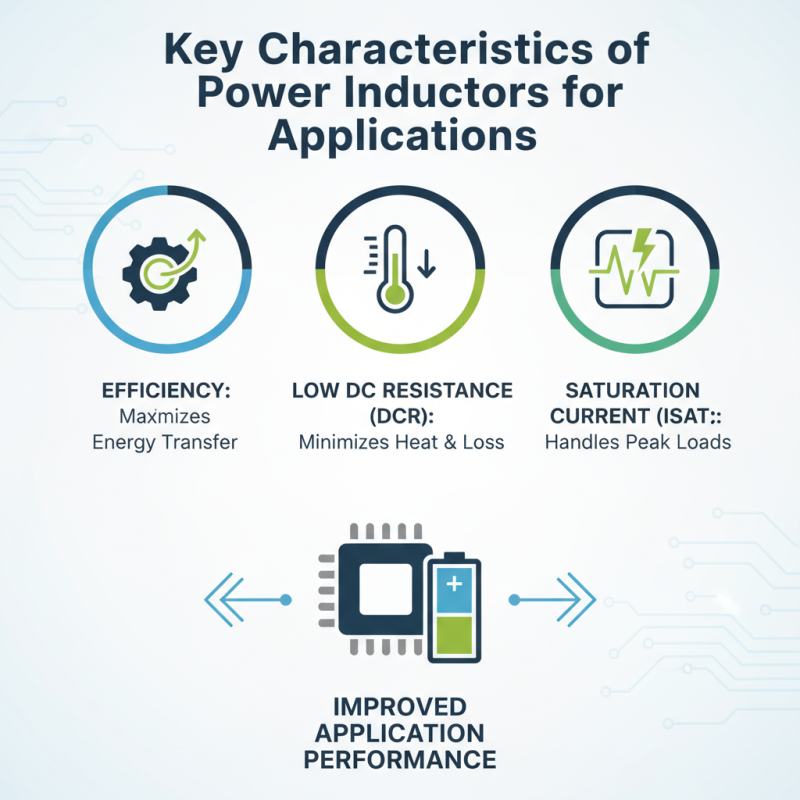
Choosing the right Power Inductor can significantly impact your application’s performance. Power Inductors vary in specifications, making it important to understand key characteristics. Efficiency is crucial. It determines how well the inductor converts energy without loss. Low DC resistance (DCR) is desirable. This minimizes heat generation and maximizes efficiency.
Another vital characteristic is current rating. The inductor must handle the maximum current without saturation. Saturation leads to reduced inductance and can damage components. Inductor size plays a role too. Larger inductors often support higher currents but can be bulky. Flexibility in form factor is essential for design.
Temperature stability should not be overlooked. Operating conditions affect inductor performance. It’s also wise to consider the magnetic core material. Different materials can handle various frequencies and temperatures. This can influence inductive behavior significantly. Often, it's a balance. You might find options that seem perfect on paper but don’t perform as expected in real-world applications. Testing inductors in relevant setups is key to ensuring reliability.
The Role of Inductance in Power Inductor Selection
Inductance plays a crucial role in selecting the right Power Inductor for your application. It determines how well the inductor can store energy in a magnetic field. Higher inductance means more energy storage, which can be critical for efficiency. When evaluating applications, such as power converters or DC-DC converters, the inductance value directly affects performance. A Power Inductor rated for 10a can offer significant advantages in specific designs, yet it’s essential to match the inductance with the load requirements.
Choosing an inductor is not without challenges. Overestimating inductance can lead to inefficiencies, while underestimating may cause saturation. Designers often face a trade-off between size and inductance. Larger inductors may store more energy but take up valuable space. Conversely, smaller inductors may not meet power demands. Understanding the exact requirements of the application can guide choices, but many still struggle to find the right balance.
In some cases, inductance might not perform as expected due to external factors. Heat and frequency can impact how an inductor behaves under load. Real-world testing is essential to validate theoretical calculations. Each application has unique challenges that require careful consideration. Recognizing these complexities can lead to better Power Inductor selections, enhancing overall system performance.
Evaluating Current Rating and Saturation in Inductors
Choosing the right Power Inductor is crucial for various applications. Evaluating current ratings and saturation are critical steps in this process. Current rating refers to the maximum current an inductor can handle without overheating. Exceeding this rating can lead to failures. It's essential to consider the actual operating conditions when selecting a rating.
Saturation occurs when an inductor cannot store any more energy. This condition can drastically reduce efficiency. It’s vital to assess the saturation current in relation to your application. If the device operates close to this threshold, the performance may become unpredictable. Testing under real conditions can provide insights into how the inductor performs.
In many instances, engineers may overlook these details. They might assume that the specifications are sufficient. However, real-world applications often reveal hidden challenges. In an environment with fluctuating loads, inductors may behave differently than expected. Regular reviews of performance can aid in understanding these nuances. A thoughtful approach to evaluating these parameters can lead to more reliable designs.
Impact of Inductor Size and Form Factor on Performance
When selecting a Power Inductor, size and form factor significantly influence performance. A compact design can fit into tight spaces, making it ideal for modern electronics. However, smaller inductors may struggle with efficiency at higher currents. This discrepancy necessitates a careful analysis of your application needs.
High Power Inductors often come in various sizes. A larger inductor can typically handle more current, resulting in better efficiency. However, the trade-off is size. As designs become more compact, engineers must balance thermal performance and magnetic characteristics. A small, high-inductance component may not dissipate heat adequately. This can actually hinder performance rather than enhance it.
One potential oversight is assuming all inductors perform uniformly across sizes. This misconception can lead to inefficiencies and reliability issues. Testing various sizes in real-world conditions can reveal insights that simulation cannot. It’s essential to anticipate how your choice will impact the entire circuit. The implications of size should never be underestimated, as they can dictate the success of your application.
Comparing Different Types of Power Inductors
When selecting a power inductor, understanding the differences among types can make or break your design. There are several key types: air core, iron core, and ferrite core inductors. Each type has unique properties. Air core inductors offer high frequency efficiency but suffer from low inductance values. Iron core inductors provide higher inductance but may introduce core losses at high frequencies. Ferrite core inductors strike a balance, being versatile and widely used in applications ranging from switching power supplies to RF systems.
In practical applications, the choice of inductor impacts both performance and efficiency. For instance, using an iron core in a high-frequency circuit can lead to significant heat generation. Additionally, inductor size plays a crucial role in design constraints. A larger inductor may provide better performance but can also limit available space. Engineers should also consider the saturation current rating, which directly affects stability under varying load conditions.
Notably, the price point of these inductors can differ significantly based on their construction and material properties. This leads to a consideration of cost versus performance. Sometimes, a less efficient but cheaper inductor may suffice for less demanding projects. Ultimately, balancing these trade-offs requires careful analysis and reflection on application requirements.
Applications Requiring Specialized Inductor Designs
When designing applications demanding specialized inductor designs, the choice of power inductor becomes critical. These inductors are essential in several fields, including automotive, telecommunications, and consumer electronics. According to an industry report, the global inductors market is projected to grow by over 6% annually, driven by the increasing demand for efficient energy solutions.
Power Line Inductors serve different roles depending on the specific requirements of an application. For instance, inductors used in automotive systems must endure high temperatures and vibrations. They also need to manage high current levels effectively. However, many engineers often overlook thermal management in their designs. Ignoring this can lead to overheating and reduced component life.
Another area requiring attention is the performance of inductors in power conversion systems. Specialized designs can improve efficiency significantly. In fact, a study indicated that using tailored power line inductors reduced energy losses by up to 30% in some applications. However, achieving this efficiency often requires balancing size, cost, and performance, which presents challenges for designers. Choosing the right configuration and materials can make a substantial difference, yet many designs start without extensive testing. This oversight may result in subpar performance during critical operations.
Optimizing Energy Management: Exploring the EI322520 Series Molding Power Inductor Solutions
The EI322520 series molding power inductors represent a significant advancement in energy management solutions, addressing the growing demands for efficient power regulation across various applications. With an operating temperature range of -55℃ to +125℃, these inductors are designed to perform reliably in harsh environments. Their low profile and low DCR characteristics contribute to reduced power losses, ultimately enhancing overall system performance. Studies indicate that effective inductive energy management can lead to efficiency improvements of up to 30% in modern electronic systems, making these components crucial for high-performance applications.
One of the standout features of the EI322520 series is its magnetically shielded construction, which minimizes electromagnetic interference (EMI). In sectors such as data centers, where clean and stable power is vital for the operation of servers and SSDs, these inductors ensure that voltage regulation modules (VRMs) function optimally. The frequency range of up to 5MHz allows for more flexibility in design, accommodating various DC switching power supply circuits and DC/DC converters for CPUs in notebooks and other portable devices.
Furthermore, the high current carrying capacity and low core loss of these inductors make them ideal for applications where efficiency is non-negotiable. Reports from industry analysts highlight that the global market for power inductors is expected to grow significantly as power density and efficiency become more critical in electronic designs. The EI322520 series is well-positioned to meet these trends, providing dependable solutions that cater to the evolving needs of the electronics industry.
FAQS
: Efficiency determines how well an inductor converts energy, minimizing losses during operation.
Low DCR is desirable as it reduces heat generation and enhances the overall efficiency of the inductor.
Saturation leads to reduced inductance, potentially damaging the inductor and other components.
Larger inductors can handle higher currents but may take up more space, impacting design flexibility.
Operating conditions significantly affect the performance and reliability of the inductor.
Different materials can support various frequencies and temperatures, influencing the inductor's performance.
Specialized inductors are used in automotive, telecommunications, and consumer electronics for efficient energy management.
Poor thermal management can lead to overheating, reducing the lifespan of components used in designs.
They can reduce energy losses by up to 30% in power conversion systems, enhancing overall efficiency.
Many designs lack extensive testing, which can lead to subpar performance in critical applications.
Conclusion
Choosing the right Power Inductor is crucial for optimizing performance in various electronic applications. Understanding the basics, such as inductance and key characteristics, helps in selecting the most suitable inductor for specific needs. Evaluating parameters like current rating and saturation is also essential, as they directly impact the reliability and efficiency of circuits.
The size and form factor of Power Inductors can significantly influence their performance, making it important to consider these aspects during selection. Additionally, different types of power inductors can be compared to find the best fit for specialized applications, each requiring unique designs. By thoroughly analyzing these factors, users can ensure their choice of Power Inductor meets the demands of their specific applications effectively.

 +86-15916242887
 CONTACT US